
The Dangers of Teeth Clenching
Teeth clenching, medically known as bruxism, is a common yet often overlooked condition that can have significant implications for your oral health and overall well-being. Many individuals find themselves grinding teeth in sleep or tightly clamping their jaws during stressful moments without even realizing it. While it may seem like a minor habit, persistent clenching can lead to long-term complications if left unaddressed. Understanding the causes and symptoms is the first step toward protecting your smile, and rest assured that effective treatments are available to help you find relief and prevent further damage.

What Is Teeth Clenching?
Teeth clenching occurs when you tightly press your upper and lower teeth together, often involving significant pressure from the jaw muscles. Unlike grinding, which involves moving the teeth back and forth, clenching is a static but forceful contraction. This behavior can happen while you are awake (awake bruxism) or during the night (sleep bruxism). Common teeth clenching causes range from psychological factors like stress and anxiety to physical issues such as an abnormal bite or sleep apnea. Because it often happens unconsciously, many people remain unaware of the habit until physical symptoms begin to manifest.
Common Signs of Teeth Clenching
Identifying the signs of clenching early is vital for preventing structural damage. You may notice Identifying the symptoms of clenching early is essential for preventing long-term structural damage to your teeth and jaw. Please be mindful of the following indicators:
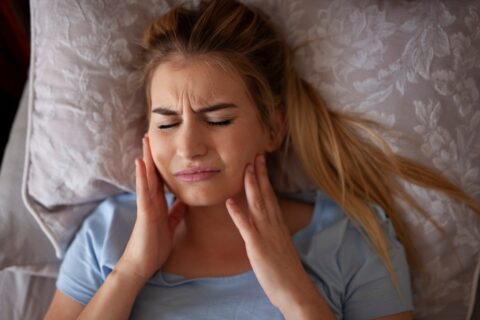
- Persistent Jaw Pain – You may experience localized discomfort, particularly upon waking in the morning.
- Tension Headaches – A dull ache starting at the temples is a common result of prolonged muscle strain.
- Increased Tooth Sensitivity – Clenching can wear down enamel, making teeth more reactive to temperature or pressure.
- Muscle Fatigue – A feeling of tightness or exhaustion in the jaw muscles can indicate they are overworked.
- Referred Pain – You might notice earaches that occur despite the absence of an actual ear infection.
- Audible Grinding – Partners may hear clicking or grinding sounds during the night, signaling that your jaw is under significant stress while you sleep.
Is Teeth Clenching Dangerous?
When practiced habitually, the answer is yes. The effects of teeth clenching extend far beyond simple discomfort. The intense pressure can lead to fractured, chipped, or loosened teeth, eventually wearing down the enamel and requiring extensive restorative work. Furthermore, chronic clenching is a primary contributor to Temporomandibular Joint (TMJ) disorders, which can cause chronic pain and limit the movement of your jaw. Over time, the constant strain can even alter your facial appearance by overdeveloping the masseter muscles, leading to a more squared jawline and persistent facial tension.
Treatment Options for Teeth Clenching
If you are wondering how to stop clenching teeth, there are several professional and lifestyle-based solutions designed to protect your oral health. Dentists often recommend custom-fitted night guards, which provide a protective barrier between your teeth and cushion the force of the jaw. Stress management techniques, such as meditation or physical therapy for the jaw, can also be highly effective in reducing the frequency of clenching episodes. For more severe cases, muscle relaxants or BOTOX® injections may be used to temporarily reduce the activity of the jaw muscles, providing a window for the jaw to heal.
Schedule Your Appointment Today
Oceanshore Aesthetics and Wellness helps boost wellness in Palm Coast, FL. While the habit of teeth clenching can be destructive, it is a manageable condition with the right professional guidance. By staying informed about the warning signs and seeking early intervention, you can safeguard your teeth from unnecessary wear and eliminate the chronic pain associated with jaw tension. If you suspect you are clenching your teeth, schedule a consultation for bruxism treatment.
FAQs
Why Do I Wake Up With a Sore Jaw?
Waking up with jaw pain is often a sign of sleep bruxism, where you are clenching or grinding your teeth throughout the night, putting immense pressure on your joints and muscles.
Can Stress Cause Me to Clench My Teeth?
Yes, stress and anxiety are among the leading causes of awake bruxism. The body often responds to tension by tightening the muscles in the neck and jaw.
Will a Store-Bought Mouthguard Help?
While over-the-counter guards offer some protection, they are not custom-fitted to your bite. A professional, custom-made guard is significantly more effective at distributing pressure and staying comfortably in place.

In our pursuit of optimal wellness, we often look for non-invasive solutions that support the body’s natural ability to heal and regenerate. BEMER…
If you have ever experienced a persistent ache in your jaw, difficulty chewing, or a clicking sound when you speak, you understand the disruption of…